
samedi 8 février 2014


lundi 3 février 2014
VALENTINE'S DAY IN TOKYO
Itohkyuemon Matcha Nama Chocolate

Guess one of the bestseller sales for Valentine's Day in 2013 in Japan.
Delicious blend of Matcha and white chocolate. They delicately melt in your mouth.


Guess one of the bestseller sales for Valentine's Day in 2013 in Japan.
Delicious blend of Matcha and white chocolate. They delicately melt in your mouth.
The Matcha trend continues.
That Matcha Cheese Cake too, it looks good.
UuuuummmMmmmMmm,
great taste, this "Hanjuku Matcha Cheese Cake" from the same maker.
And those Ichigo Daifuku with Matcha.....
DAIFUKU: Literally "great luck", is a japanese confection consisting of a small round mochi (glutinous rice) stuffed with sweet filling, most commonly anko, sweetened red bean paste made from azuki beans. Here, the anko is based on Matcha. Strawberry inside. Japanese people eat Daifuku for celebration dates.

Ce corner est dédié à la rue dans laquelle nous vivons, la
rue des Cascades à Paris. La rue des Cascades, ce n'est pas qu'une rue
parmi tant d'autres, c'est un village, une chaleur, un esprit
authentique rare à Paris.
This
corner is dedicated to the street where we live, rue des Cascades in
Paris. Rue des Cascades, this is not a street among many others, it is a
village, a warmth, a genuine rarity in Paris mind.
WEDNESDAY'S CAT
SUIYOUBI NO NEKO

A new beer from Japan with a cute title.
Wednesday's Cat:
Why?
This beer is made with a belgian traditional way, called the white style. The particularity is the sweet spicy flavour.
It is a white ale made with beer traditional methods of Belgium.
Using wheat germ as well as barley malt, spices such as coriander seed and orange peel in addition.
A refreshing flavor.

Named "Cat on Wednesday," to give heal in the middle of the week.
SATOYAMA
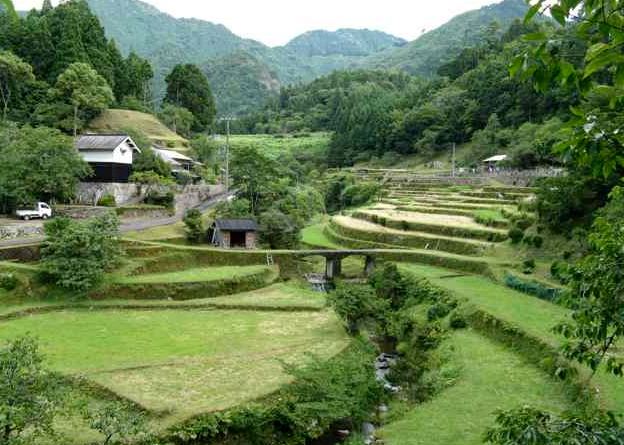
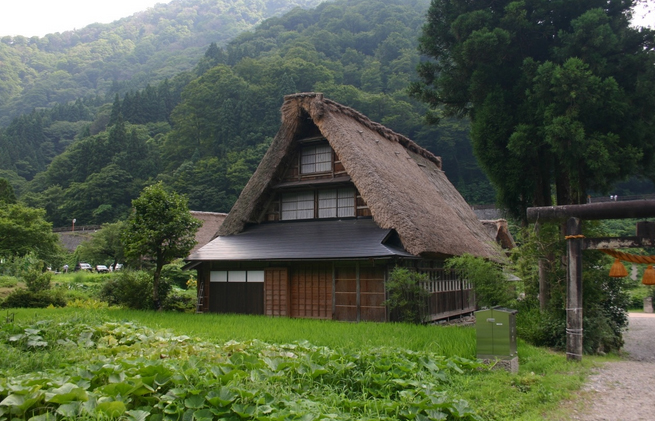
Hida-Takayama est une ville surnommée « petite Kyoto » en référence à ses nombreux monuments historiques. On y découvre des paysages ruraux et des maisons traditionnelles datant de plus de 100 ans.
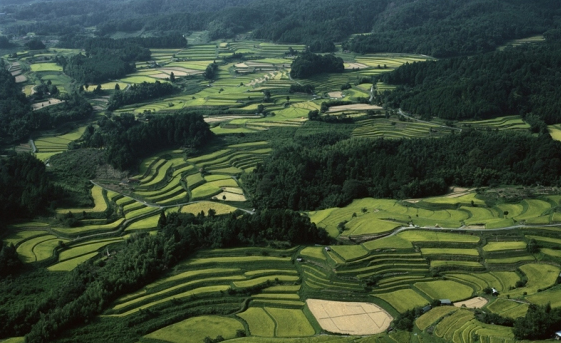
Ce cadre naturel reflète l’inconscient et la nostalgie japonaise. « Satoyama » désigne un espace non peuplé, situé à la frontière de l’habitat humain et de la montagne boisée. Nous sommes dans un milieux idéalisé de l’inconscient collectif japonais. Constitué d’un écosystème très riche en biodiversité, sa valeur est aujourd’hui réappréciée. Satoyama est considéré comme forme modèle des relations réciproques entre l’homme et la nature.
Inscription à :
Articles (Atom)